Posted on Leave a comment

Why Order in Advance for Mother’s Day?

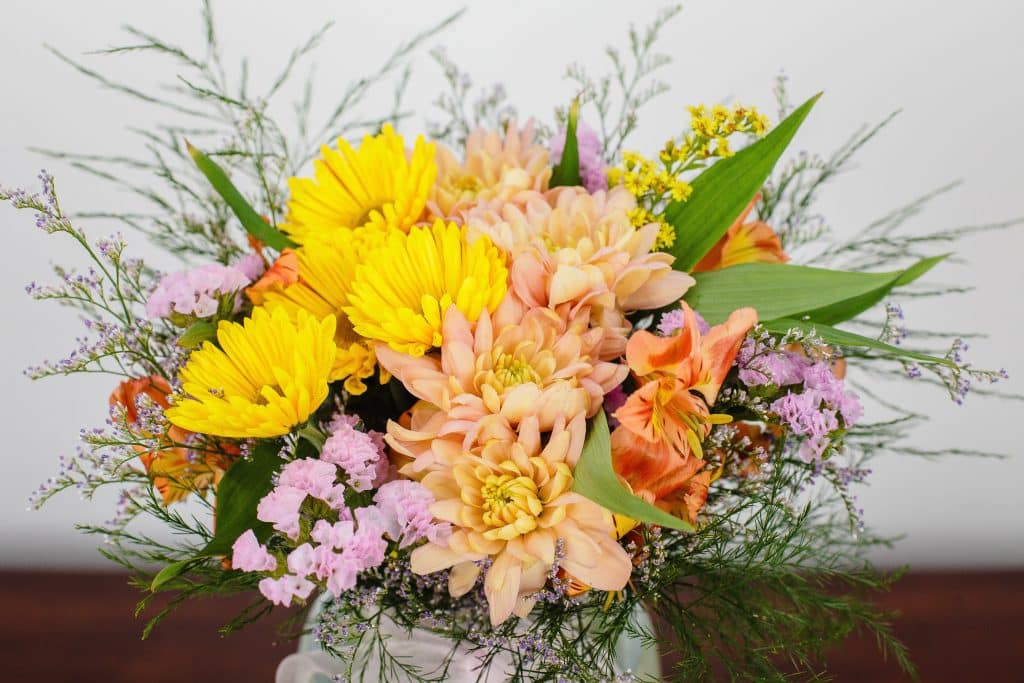
Mother’s Day is one of the most significant floral moments of the year.

Mother’s Day spans an entire weekend of gifting, gatherings, and deliveries. The result is one of the busiest periods for florists, where thoughtful planning makes all the difference.


Why advance orders matter

Secure your preferred style
Designs are created in limited quantities, and certain palettes or arrangements are chosen early. Advance orders ensure access to the style that feels right, rather than selecting from what remains.

Work with nature, not against it
Flowers are seasonal by nature. While specific blooms are always subject to availability, ordering in advance allows for closer alignment with what is arriving at its best. When a requested flower is at its peak, it can be included. When it isn’t, substitutions are made with care, maintaining the integrity of the design.

Help organise deliveries
Mother’s Day delivery schedules fill quickly. Advance orders help structure delivery routes in a way that is both efficient and reliable. This ensures each arrangement arrives within its intended window, rather than being affected by last-minute congestion.

Reduce waste
Pre-orders remove the guesswork. Instead of overestimating demand, florals can be prepared with intention. This leads to less excess and a more responsible use of materials. It’s a quieter, often overlooked way to support more sustainable practices within the floral industry.

Support local florists
Planning ahead gives florists the ability to source more deliberately. This often means a stronger reliance on local and seasonal flowers, rather than last-minute imports used to fill unexpected gaps. It also supports independent studios during one of their most important periods of the year.


In short
Advance orders create space for better design, smoother delivery, and a more considered use of flowers. For a moment like Mother’s Day -where meaning sits at the center- it allows everything to arrive with greater intention.

Looking to order today? Select from our curated Mother’s Day Selection.

Posted on Leave a comment

How to Choose a Local Florist You Can Trust

It can be confusing choosing a local florist . Flowers are living things, shaped by season, sourcing, handling, and care. Two bouquets can look similar on the surface and perform very differently once they’re home. That’s why trust matters more than perfection when selecting a florist.

This guide explains how floristry actually works behind the scenes, what questions matter most, and how to recognize a local florist who prioritizes quality, transparency, and long-term care over quick transactions.


What a Local Florist Really Does (Beyond Selling Flowers)

A common misconception is that florists simply stock flowers the way a store stocks shelves. In reality, floristry sits at the intersection of logistics, plant science, design, and customer care.

A local florist is responsible for:

  • Sourcing flowers from growers and wholesalers across different regions and seasons
  • Conditioning and rehydrating flowers so they are stable and usable
  • Managing temperature, water quality, and timing
  • Designing arrangements that balance aesthetics with longevity
  • Guiding customers toward realistic expectations and proper care

Flowers don’t arrive “ready.” They require time, preparation, and judgment. A trustworthy florist understands where flexibility is possible—and where it isn’t.


How a Local Florist Handles Flower Freshness

Freshness isn’t just about how recently flowers arrived. It’s about what happens after they arrive.

We receive fresh shipments twice a week, sometimes more frequently during peak seasons like summer. These flowers may come from:

  • Local growers (seasonally, depending on climate)
  • Quebec, or Canadian wholesalers
  • International sources such as the Netherlands, Colombia, California, and beyond

Once flowers arrive, a responsible local florist will:

  • Recut stems properly
  • Remove foliage below the water line
  • Use conditioning or rehydration solutions
  • Control water levels and cleanliness
  • Store flowers at appropriate temperatures

Only after this process are flowers truly ready to be designed or sold.

Why Some Flowers Can’t Be Sold Immediately

Not all flowers behave the same. Some varieties, like hydrangeas or roses, are especially sensitive and require full hydration before leaving the shop. A florist who refuses to rush these flowers isn’t being difficult; they’re protecting the outcome.


How Long Flowers Should Actually Last

Flowers are not permanent objects, but with proper care, florist-quality most mixed flower arrangements should typically last 7–10 days. Longer lifespans are possible, but not guaranteed.

Several factors influence longevity:

  • Flower variety (carnations naturally outlast roses)
  • Whether your arranged flowers are mixed or single-variety
  • Local vs large-scale growing practices
  • How flowers are handled before sale
  • Home environment and care habits

Mixed bouquets, while beautiful, tend to have shorter lifespans because each flower and greenery introduces different bacteria into the water. That doesn’t make them inferior, it just means expectations should be realistic.

The Biggest Factors Affecting Flower Lifespan at Home

Common factors influencing lifespan after flower leave the shop include:

  • Room choice: Kitchens and sunny windows shorten lifespan; cooler rooms help
  • Proximity to fruit: Ripening fruit releases ethylene gas, which accelerates aging
  • Water hygiene: Dirty water shortens life faster than missed trimming
  • Cutting technique: Stems should be cut after clean water is prepared and placed immediately back into water
  • Temperature shock: Ice-cold water in winter can shock flowers

A good local florist doesn’t assume customers know this. We provide guidance with care tags or floral care advice.


Choosing a Florist Who Understands Plants (Not Just Flowers)

Plants are often perceived as “easier” than cut flowers, but they require a different kind of attentiveness. While florists are not horticulturalists, experienced ones understand how to:

  • Select plants appropriate for their environment
  • Match plants to a customer’s experience level
  • Be honest about which plants are forgiving and which are not

A reliable local florist will carry:

  • Proven, adaptable plants (such as pothos or peace lilies)
  • Specialty or demanding plants in limited quantities
  • Clear boundaries around what they recommend to beginners

Sometimes florists will also provide resources for plant care, for your ease and convenience.

Common Plant Myths Florists Hear Every Day

Some of the most persistent misconceptions include:

  • “Low-light” plants don’t need light at all
  • Succulents and cacti are impossible to kill
  • A flowering plant should bloom continuously
  • There’s a living plant that thrives in a windowless bathroom and no light substitution

In reality, all plants need light. Some tolerate less, but none thrive in total darkness. Succulents often fail not from neglect, but from too much care, especially overwatering; a florist who explains this plainly is doing their job well.


How a Trustworthy Local Florist Handles Substitutions

Substitutions are unavoidable in floristry. Weather, supply chains, and demand fluctuate constantly. What matters is how substitutions are handled.

A professional local florist substitutes by:

  • Matching value
  • Preserving the intended color palette
  • Maintaining texture, movement, and overall feeling
  • Communicating when a substitution would meaningfully alter the result

Replacing one white daisy variety with another rarely requires a phone call. Replacing a central color or defining element does. Knowing the difference is part of the expertise.

Why Florists Design Around Feeling, Not Recipes

Design recipes are guidance for purchasing, not to enforce rigidity, or limit adaptability. Flowers are selected weekly based on availability, season, and quality. If florists rigidly followed recipes, design would suffer and outcomes would be less consistent, not more.

Good floristry is responsive. It adapts to what nature and supply can provide, while staying true to the intended mood.


What You’re Paying For When You Choose a Local Florist

Florist pricing is often compared to grocery store flowers, but the models are fundamentally different. Grocery flowers are often sold as loss leaders; designed to attract foot traffic, and generate indirect profit, despite selling the loss-leader-item below cost.

When you work with a local florist, pricing reflects:

  • Flower cost fluctuations tied to season and labor demand
  • Conditioning, hydration, and waste management
  • Design time and creative judgment
  • One-on-one guidance and customization
  • Tools, floral food, refrigeration, cleaning, and upkeep

You’re not just purchasing stems. You’re purchasing both the product and the service that makes the product succeed.


Signs You’ve Found a Florist You Can Trust

Reliable local florists tend to share certain traits:

  • They are willing to say no, or explain complexity
  • They communicate uncertainty honestly
  • They don’t guarantee outcomes nature can’t promise
  • They value consistency

Trust grows when expectations are managed thoughtfully, not oversold.


Red Flags to Watch For When Choosing a Florist

Some warning signs include:

  • Guaranteed longevity claims
  • “Anything you want, anytime” promises
  • Avoidance of questions about care or sourcing

Why Trust Matters More Than Perfection in Floristry

Floristry, like any living system, is imperfect. Weather changes. Growers face challenges. Deliveries fail. What defines a professional is not the absence of problems, but how they are handled.

Clients return to florists who:

  • Take responsibility
  • Communicate proactively
  • Care about outcomes beyond the sale

A local florist invested only in orders rarely lasts. A florist invested in people, process, and accountability builds something enduring.


Frequently Asked Questions

How long should flowers from a local florist last?
Typically 7–10 days with proper care, depending on variety and conditions.

Why do florists substitute flowers?
Because availability changes daily. Substitutions maintain quality and design integrity.

Are local flowers always better?
Not always, but seasonally local flowers often outperform mass-grown imports in longevity.

Are plants easier than flowers?
They last longer, but require consistent, attentive care.

Why do flowers cost more around holidays?
Increased labor, transport demand, and grower pricing, not arbitrary markups.


Posted on Leave a comment

Life as a Christmas Florist

Being a Christmas florist doesn’t necessarily mean reinventing the work, but it does mean working within a different rhythm. The materials change, the timelines tighten, and the season carries a weight of expectation that isn’t always present at other times of year. Much like everyday floristry, the work is rooted in freshness, care, and thoughtful design. What shifts at Christmas is not the intention, but the scale, density, and longevity of what’s being created.

Christmas flowers and greens are tied to tradition, memory, and ritual. They arrive at a time when people are gathering, hosting, and marking the end of the year. For a florist, that means designing with both beauty and endurance in mind, while navigating a season that is emotionally meaningful and creatively satisfying, and far more structured than it may appear from the outside.

Life style shot of Victoria's Christmas centerpiece with warm reds and hint of white, in a dinning room setting.

A Brief History of Christmas Greens and Flowers

Long before floristry became decorative in the modern sense, evergreens were brought indoors during winter as symbols of continuity and life. Fir, pine, and cedar branches were used to soften interiors, mark seasonal transitions, and carry the scent of the forest into the home. Wreaths and garlands grew out of this tradition, serving both symbolic and practical purposes.

Flowers entered Christmas more quietly. Unlike greens, which remain and evolve over time, Christmas flowers are fleeting. They appear on tables, in vases, and as gifts exchanged between people, offering moments of colour and softness during the darkest weeks of the year. Together, greens and flowers form a seasonal language, one rooted in permanence and contrast, that continues to shape how Christmas is experienced today.

Preparing for Christmas: How the Season Begins in the Studio

For us, Christmas preparation begins in early November. The studio starts to shift, décor comes out, holiday cards are introduced, and the rhythm of the work changes. While this may feel early to clients, it reflects the reality of working with living materials that require advance planning.

Some of our core evergreens need to be pre-ordered as early as October. Availability, quality, and timing all matter, and Christmas work cannot be built reactively. Preparation at this stage allows us to design intentionally rather than rush later, ensuring that the materials we rely on throughout the season arrive at their best.

The Role of Evergreens for a Christmas Florist

Evergreens form the backbone of Christmas floristry. Each season, we work primarily with Canadian-grown noble fir, blueberry cedar, white pine, and variegated Leyland cypress. These greens offer structure, scent, and longevity, making them ideal for wreaths, garlands, and long-lasting arrangements. Depending on the design, we may also incorporate eucalyptus, myrtle, or holly as supporting elements.

When cared for properly and kept hydrated, evergreen-only designs can last throughout the month of December. Their durability makes them especially well suited to seasonal installations and pieces meant to evolve slowly over time rather than peak all at once.

Christmas Flowers: Designing with Timing in Mind

Christmas flowers require a different approach than evergreen-based work. For outdoor pieces, we rely on materials that hold up to the elements, such as dried pampas, bunny tails, pine cones, and lotus pods. Indoors, Christmas flowers are chosen for both impact and compatibility with the season.

We often work with roses, lilies, and carnations, particularly in deep red tones, alongside baby’s breath, which adds a soft, snow-like texture. Green dianthus barbatus is another favourite for its fuzzy texture and subtle movement.

All indoor arrangements that include flowers are designed with a water source to maintain freshness. While pre-orders are extremely helpful for organizing the season, flower-based Christmas arrangements should not be sent out too early. Ideally, they are delivered no more than a week before Christmas, ensuring they look their best during gatherings and celebrations.

Christmas Plants are often enjoyed throughout the season, from early November and through December. Christmas Plants and Flowers are deeply traditional, imbued with symbolism and history, as much as festive decorations for your home and workspaces.

Creating Christmas Pieces: Wreaths, Centerpieces, and Garlands

There is a common misconception that Christmas pieces, especially wreaths, can be made quickly or spontaneously. In reality, a wreath takes anywhere from thirty minutes to over an hour to create, depending on its size and intricacy. Each branch is placed deliberately to ensure balance, coverage, and longevity.

Centerpieces require careful proportion and mechanics, while garlands demand consistency, strength, and an understanding of scale. Christmas floristry is physically heavier than everyday work, with denser materials and longer production times. The designs may feel natural and effortless when finished, but they are the result of methodical, time-intensive craftsmanship.

Why Ordering Early Matters at Christmas

Ordering early is less about urgency and more about feasibility. Pre-orders allow us to plan materials, allocate time, and confirm that we can accept an order without compromising quality. Christmas capacity is finite, and once we are fully booked or occupied with existing work, we are unable to take on additional requests.

While last-minute orders are sometimes possible, they depend entirely on availability. Early ordering ensures better access to materials and gives us the space to design each piece with care rather than constraint.

What People Often Misunderstand About Christmas Florists

One of the most common misunderstandings is the belief that Christmas pieces can be assembled quickly, on demand. The reality is that Christmas floristry is layered, physical, and time-sensitive. The work requires planning, strength, and sustained focus during one of the busiest times of the year.

What appears simple on the surface is often the result of careful preparation and hours of behind-the-scenes work.

Why I Love Working during the Holidays as a Christmas Florists

Despite the intensity of the season, Christmas remains deeply rewarding. The scent of evergreens is invigorating, the textures are rich and tactile, and the shift away from lighter, everyday designs offers a welcome change of pace. Working with greens feels grounding, festive, and closely tied to tradition.

Christmas floristry connects people to memory, ritual, and home, and for those of us creating these pieces, it offers a rare blend of creativity and meaning.

The Quiet Craft Behind the Season for a Christmas Florist

Being a Christmas florist is about working with time as much as with flowers. It is about respecting materials, planning thoughtfully, and understanding how greens and Christmas flowers live and change throughout the season. What feels effortless in a finished piece is often the result of intention, experience, and care, a quiet craft supporting one of the most meaningful times of the year.

If you’re interested in more behind the scenes, Life as a florist, we welcome you to explore our Fairy Knoll for information on flowers, plants, and more like, Montreal Flower Delivery our guide to sending flowers.

Posted on Leave a comment

Life as a Montreal Florist: Beauty, Balance, and Reality

From the outside, life as a Montreal florist looks enviable.

People imagine light-filled studios, lush greenery breaking up long winters, hands always scented with eucalyptus or garden roses. They imagine creativity on tap, a job rooted in beauty, and a daily closeness to the natural world that feels grounding and rewarding, especially in a city where winter can stretch on and on.

And they are not wrong. In many ways, Montreal florists are lucky.

But like most things worth doing, the reality carries more balance than glamour alone suggests.

This is not a complaint. It is simply the truth of an industry that lives at the intersection of nature, emotion, and retail. Equilibrium matters here.

Glamour and the Reality of Being a Montreal Florist

There is something special about working with flowers in Montreal.

This city understands artistry. It values craft, detail, and intention. There is a cultural appreciation for aesthetics that gives floristry room to be taken seriously, not just as decoration, but as design.

Yet at its core, being a Montreal florist still means working in retail.

Retail is not always glamorous. It is logistics, timing, pricing, inventory, waste, and expectations layered on top of creativity. It is answering emails before the shop opens and sweeping the floor after everyone has gone home. It is balancing beauty with practicality, intuition with structure.

The natural world softens some edges, but it does not remove the highs and lows. Flowers do not pause for mood, weather, or market shifts. They arrive when they arrive, bloom when they bloom, and decline when they must.

That rhythm sets the pace, whether you are ready for it or not.

Montreal Florists and Emotional Buying

Flowers are not neutral objects.

For a Montreal florist, nearly every order carries emotional weight. Flowers are how people speak when words feel insufficient. Love, apology, grief, celebration, gratitude, longing. Floristry becomes a form of emotional translation for these everyday flower occasions .

Most of the time, it is deeply meaningful work.

But emotional buying also means emotions can run high when things do not go perfectly. Delivery windows matter. Timing matters. Details matter, because the moment matters.

Mistakes happen in every industry, and floristry is no exception. Weather disrupts couriers. Addresses are entered incorrectly. Someone is not home when they were supposed to be. When emotions are involved, even small hiccups can feel amplified.

Navigating that requires calm, empathy, and clarity, often while managing several moving parts behind the scenes.

Working With Beauty, Vitality, and Their Entire Cycle

One of the privileges of being a Montreal florist is daily contact with life in its most expressive form.

Fresh flowers arrive full of promise. Tight buds, resilient stems, fragrance just beginning to open. There is sweetness in that vitality, a quiet optimism built into the work.

But floristry also means witnessing the entire cycle.

Plants get sick. Flowers age. Some shipments do not thrive despite best efforts. Slow seasons mean some products never fulfill their purpose. They are composted before being chosen, admired, or gifted.

Death is not dramatic here. It is practical, ever present, and accepted as part of the process. That awareness shapes how florists work, with care, respect, and an understanding that nothing lasts forever, but everything has its moment.

The Seasonal Reality of Being a Montreal Florist

Seasonality is not just about which flowers are available. It shapes the entire rhythm of the work.

Winter, in particular, teaches patience. Fewer local options, longer supply chains, tighter margins, and slower foot traffic all coexist with heightened emotion and expectation. Valentine’s Day can arrive in the middle of a snowstorm. Weddings are planned months in advance while flowers are sourced week by week.

Spring brings contrast. A sudden abundance, faster pace, and renewed energy. Summer moves quickly and generously, while fall introduces richness and restraint.

For a Montreal florist, seasonality is not a checklist. It is a constant negotiation between nature, logistics, and intention. The work adapts, even when the conditions are less than ideal.

The Quiet, Repetitive Work No One Sees

There is a meditative side to floristry that often goes unnoticed.

Conditioning stems. Cleaning buckets. Recutting. Hydrating. Monitoring temperature. Rotating inventory. These rituals create rhythm. When done with intention, they are grounding and almost therapeutic.

But even meditation can become monotonous.

Flowers need care whether you are inspired or not. Whether it is peak wedding season or a slow Tuesday in February, the work remains. Being a Montreal florist means showing up consistently, not just when creativity flows easily, but when discipline carries you through.

That consistency is what allows the beauty to exist at all.

Expertise, Expectations, and the Myth of the Perfect Surprise

Florists are trained designers. They understand balance, proportion, colour theory, mechanics, and seasonality. Yet they are also often expected to deliver surprise, emotionally, visually, and logistically.

Surprises are wonderful. Most Montreal florists genuinely enjoy creating them.

But surprise is not an official job description. It exists within real-world constraints. Availability, timing, communication, access. When a surprise does not unfold exactly as imagined because someone was not home or plans changed, stress can enter the equation.

The irony is that recipients are almost always still surprised. They just do not know what is coming, and that mystery holds its own magic.

In the end, clarity and communication tend to matter more than perfection.

Finding Balance as a Montreal Florist

Being a Montreal florist means constantly adjusting to equilibrium.

Between creativity and commerce. Between emotion and logistics. Between beauty and impermanence. It is a role that requires sensitivity without fragility, artistry without ego, and structure without rigidity.

The reward is not only working with flowers. It is learning how to move with cycles rather than against them. To accept that some days are lush and abundant, others sparse and quiet. Both are necessary.

Perhaps that is what makes the work meaningful. It mirrors life more closely than most professions ever could.

Frequently Asked Questions About Being a Montreal Florist

Is being a Montreal florist as glamorous as it looks?

There is beauty in the work, but it also involves logistics, repetition, emotional labour, and retail realities. The glamour exists alongside responsibility.

Do Montreal florists work mostly with local flowers?

Local sourcing is important when available, but climate and seasonality mean florists often balance local and imported blooms throughout the year.

Why do flowers sometimes vary from photos?

Flowers are living materials. Availability, season, and quality can shift week to week, which is why design focuses on feeling and style rather than exact replication.

Is floristry emotionally demanding?

Yes. Flowers are tied to life events, and that emotional weight requires empathy, communication, and care.

Need More Information About Montreal Florist & Delivery?

You can consult our complete guide to sending flowers right here for Montreal Flower Delivery

Posted on Leave a comment

Montreal Flower Delivery | How I Prepare & Send Out New Orders

Montreal Flower Delivery. How delivery works at Fleuriste Atropa Belladonna a florist in Central Montreal, the heart of the mile end. From Prep, to wrapping, and stability.

Behind the Scenes | A Florist’s Day of Gift Wrapping, Protecting, & Delivering Your Flowers

Ever wonder what goes into sending out your flower order? As a Montreal Florist in Mile End, I’m here to shed some light on the process, and what my team and I do at our flower shop to make it all happen. Everything from wrapping and packing your order for delivery; delivering flowers locally in Outremont and Le Plateau Mont Royal; and sending out arrangements to surrounding areas like Downtown Montreal, Westmount, etc., and even off island, like Laval. It may surprise you, that there’s more to it than you think.

Preparing Your Order for Delivery

   Preparing for that Wow Factor Vs Wrapping for Protection

     After taking the time to pick out your flowers and create your bouquet, it’s time to get it delivery-ready. We wrap your bouquet with elegance to give it that extra wow factor when you present it. Our wrapping does vary from arrangement to arrangement because one size doesn’t fit all. For each style we have a different method for wrapping: Tall vase arrangements vs short, hand tie bouquet vs grad-splays. Our wrapping usually involves an elegant non-woven sheet, that come in several shades to best suit your flowers. An exterior wrap of either clear wrapping or an elegant textures mesh, and we embellish either the vase or the exterior wrap with a beautiful ribbon. 

     Wrapping is not just for presentation, it’s also for preservation. We take travel and weather into consideration for how to best wrap your arrangements. For instance, we’ll add aqua picks to certain flowers in non-vase arranged bouquets for their water sensitive needs. Likewise, we’ll include an aqua pack for longer journeys (such as Laval deliveries). In cold weather we’ll protect your flower delivery with an elegant paper or a simple transparent covering. Our decision accounts for the size and even design shape of the flower arrangement.

Keeping it Stable

     Now that that’s covered, the pun is so intended, let’s talk delivering your flowers with stability. With the exception of vase-less bouquets that can be laid flat, others need to stay up-right. Furthermore, if you’ve seen our Montreal roads, they can be rocky at best, and like your driving down an ill kept dirt mountain road at worst. No, really, some are more patch than road. The comparison may honestly at times be an insult to the dirt roads in the mountain village of my paternal roots. Anyway, back to the matter of delivery, the vase arrangements will need some help staying vertical. Therefore, most of our arrangements are also sent out in a delivery box to keep them stable. The boxes handles and flat bottom also make hand-off easier for all involved.

Delivering Flowers Near You or Your Intended Recipient

     Are we neighbours? Or is your intended recipient in my neighbourhood? Well, if the destination is nearby, I might just be delivering personally. It’s always a pleasure to deliver flowers for an event you’re hosting, or for somebody’s birthday, etc. While this is our favourite way to deliver to those near our flower shop in the Mile-End, Outremont, or Le Plateau, it isn’t always possible. For busy days and Holidays, we’ve enlisted some help, and that’s up next.

Delivering Flowers Throughout Montreal and the Surrounding Areas

     Our priority is designing beautiful flower arrangements for our clients. However, when the flower shop is busier, we can’t deliver ourselves. I’ve searched through several delivery services before settling on two. I knew who we partnered with needed to care about our products the way we do. They’re local delivery companies, SnapGrab & Radish, who handle our fragile packages with care. With our partners help we can send flowers all across Montreal, whether nearby or Downtown, Westmount and more. Likewise, to the West Island, Laval, or South Shore. You can always schedule in advance with us of course. However, with trusted partners we’re able to offer same day delivery services as well.

     There you have it, the ins and outs of a Montreal florist facing the task of preparing flowers daily and readying them for delivery.

This piece is part of our Montreal Flower Delivery Guide, where we explore how flowers travel from the studio to doorsteps across the city. If you would like the full overview on delivery timing, care, preparation, and what to expect when sending flowers in Montreal, you can read our main guide here Montreal Flower Delivery Guide.

Posted on Leave a comment

Sleeping Beauty Blooms | Why Florists Make the Best Prince

A fascinating peek into how flowers make it to Montreal florists. Travelling by sea, these shipments require special environments says the BBC.

(In response to the BBC article: How flowers are ‘put to sleep’ for long sea voyages)

The BBC’s article on how flowers are ‘put to sleep’ for long sea voyages offers a fascinating peek into the science behind global floristry. With cold-chain logistics and CO₂-rich environments, blooms are essentially placed in suspended animation — a modern kind of magic to keep them fresh across oceans.

I’m always fascinated by the behind-the-scenes of how it all works; and I love seeing my industry get some of that spot light. As a florist here in Montreal, I love sharing these lesser-known, interesting insights with the community.

Shipment, however, is only half the story. Once they arrive, a whole process awaits them. Just like Sleeping Beauty, these blooms need to be properly awakened — rehydrated, trimmed, and handled with care. Without that, their journey ends on a grocery store shelf, where they fade rather quickly.

That’s where florists step in — part caretaker, part designer, part prince. We don’t just sell flowers; we revive them, honor them, and turn them into meaningful gestures. After traveling so far, don’t they deserve better than a bucket by the checkout?

If you’re in Montreal and want blooms that have been truly cared for, that’s what we do at Fleuriste Atropa Belladonna. And trust us — your flowers will live happily ever after. Check out our step by step process

awakened and hydrated, stored in cooler for longevity.
Post hydration and resting in the cooler

Process:

  • Snip ends and put into lukewarm water
  • Pick out proper sized containers, ensuring their clean
  • Fill the bucket with water, at the temperature and level ideal for the flowers it will display
  • Condition the water with flower food
  • Clean up stem foliage, and give a fresh cut before treating with hydration solution
  • Let the flowers hydrate at room temperature (or as needed for particular blooms) for about 4 hours
  • Store in a cooler at the appropriate temperature

Depending on the flowers, there may even be additional steps for proper hydration. For example, roses hydrated in their package for 4-5 hours, before opening and cleaning up the stems; other flowers may require soaking, etc.

This story forms part of our Montreal Flower Delivery Guide, a collection of resources that explain how we care for flowers from the moment they arrive in the studio to the moment they reach their recipient. If you would like to understand the full delivery process and what to expect when sending flowers in Montreal, you can visit our main guide here Montreal Flower Delivery Guide.