Posted on Leave a comment

Why Red Roses for Valentine’s? What Are Flower Alternatives?

Why red roses? Over centuries, this rich red bloom became associated with passion, devotion, and deep emotional commitment in Western floral tradition.

That is why, year after year, people still ask: why red roses?

Red roses communicate love instantly. No explanation needed. They are symbolic, recognizable, and culturally reinforced as the Valentine’s standard.

But symbolism is only part of the story.

Understanding why red roses dominate Valentine’s Day also means understanding supply realities of nature, and even wholesale factors you may not realise.


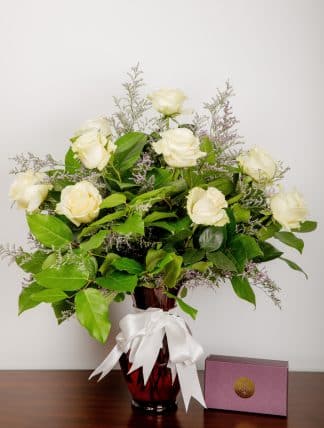
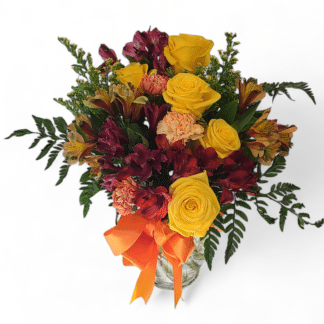
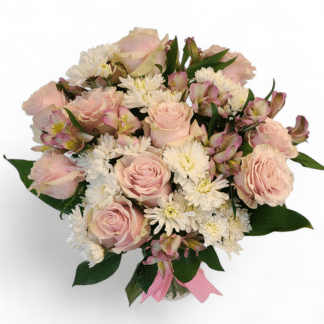
romantic arrangement, in elegant white flowers, and romantic red roses

We’ll talk about…

Why Red Roses for Valentine’s Come With Wholesale Limits in Montreal

At Montreal wholesalers enforce farm order parameters; rose orders are structured by colour ratios during Valentine’s season.

Florists cannot simply order 100 percent red roses.

In practice, rose orders are typically capped by colour at roughly:

  • Maximum 50 percent red
  • Maximum 25 percent pink
  • Minimum 25 percent mixed colours

During peak demand, colour allocation is structured to distribute supply fairly across all florists, and to manage availability and quality during this demanding time.

The reason is simple: Valentine’s demand for red roses surges dramatically. Growers cannot instantly reconfigure entire farms from yellow or white production to red production. Rose crops are planned and grown years in advance. Existing plants determine available colour volume.

To ensure fairness and access across the market, wholesalers balance colour distribution.

But there is an even deeper agricultural reason behind this.

Why Rose Farms Cannot Simply “Swap” Colours

A commercial rose plant is a long-term commitment. In greenhouse production, a plant typically lives five to seven years. It takes six to twelve months for a new plant to begin producing blooms at all, and up to three years to reach full maturity.

If a farmer ripped out yellow or white rose plants to plant red ones just for February, they would lose revenue from those plants for the rest of the year. Red roses are actually in lower demand outside of Valentine’s compared to wedding colours like white, cream, and blush pink.

Most roses are also grafted onto sturdy rootstock. You cannot simply change the colour of an existing plant. The entire plant and root system must be removed and replaced, followed by years of regrowth.

For a grower, that kind of seasonal switch would be economically unsustainable.

What Happens to “Valentine’s” Red Rose Plants the Rest of the Year?

The roughly 250 million red roses grown and shipped for Valentine’s Day do not come from a massive surplus of red plants. They come from strategic cultivation techniques.

To produce that many blooms at once, farmers use a method called pinching. Weeks before February, they cut back the plants to prevent January blooming. This allows the plant to channel energy into a concentrated February flush.

The same plants continue producing red roses throughout the rest of the year… but at a slower, natural pace. Those blooms are sold for anniversaries, sympathy arrangements, and everyday romance.

Because there is no comparable red rose spike in August or October, farmers only maintain enough red plants to meet steady, year-round demand.

The Valentine’s gap is filled by other colours.

If retailers sold only red roses on Valentine’s Day, stock would disappear in hours. Pink, yellow, orange, and mixed varieties are not secondary — they are essential to meeting real-world demand.

This also contributes to price increases during Valentine’s.


Why Red Roses for Valentine’s Still Hold Their Meaning

Even with wholesale realities, red roses remain powerful.

They symbolize:

  • Passion
  • Romantic love
  • Desire
  • Deep emotional intensity

That clarity is why they remain iconic.

But floral symbolism is not a hard rule. It is tradition, and traditions evolve.


Valentine’s Flower Alternatives That Still Feel Romantic

If you are searching for Valentine’s flower alternatives, there are many beautiful options that carry just as much emotional meaning.

Pink Roses

Pink roses also represent love. Often associated with admiration, sweetness, and affectionate romance, they are ideal for expressing care without the intensity of deep red.

White Roses

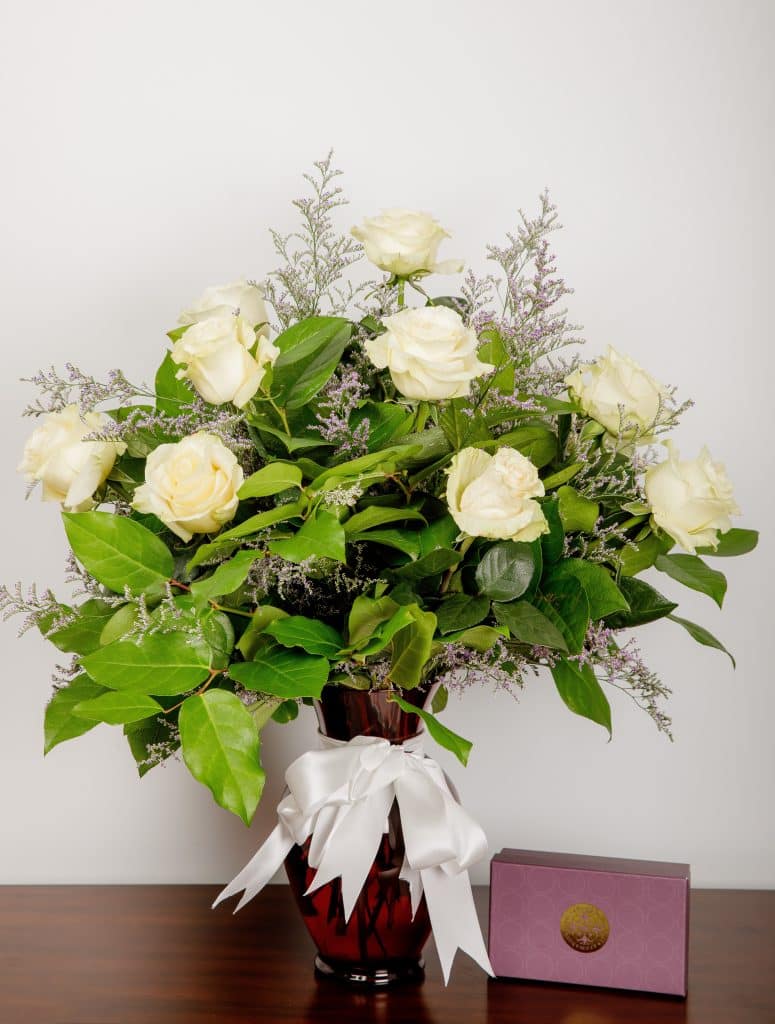
White roses symbolize purity, sincerity, and committed love. They are elegant and timeless; perfect for couples who prefer something refined and meaningful.

Mixed Rose Combinations

Red, pink, and white roses can be blended together to express passion, affection, and devotion all at once. And importantly, mixed rose arrangements work naturally within wholesale colour realities.

It also does not have to be roses alone. A romantic bouquet can include pink, red, or white roses paired with other flowers: elegant lisianthus, showy magnum chrysanthemums, timeless lilies, and so many more; together they create depth and uniqueness.

Wild Colour Mixes

Some people simply love vibrant colour. Orange, yellow, and rich seasonal blends can feel joyful, warm, and full of personality. Romance does not only live in red.

The most meaningful bouquet is the one that reflects the relationship, not just the tradition.


Tradition, Symbolism, and Personal Preference

When people ask why red roses are associated with Valentine’s, the answer is rooted in symbolism and cultural repetition.

But flowers are not governed by strict laws.

There are traditions.
There are wholesale realities.
And there is personal taste.

Some people want classic red roses.
Some prefer soft blush tones.
Some want a modern mixed palette.

Florists can create a romantic bouquet even without red roses.

And in Montreal, because of colour allocation realities, creative design becomes part of the magic.


FAQ

Why red roses for Valentine’s?
Red roses have long symbolized passionate romantic love. Their deep colour and cultural history make them the most recognizable expression of Valentine’s romance.

Are red roses required for a romantic Valentine’s bouquet?
No. Romance is expressed through meaning, design, and intention. Pink, white, and mixed bouquets can communicate love just as beautifully.

What are good Valentine’s flower alternatives?
Pink roses, white roses, even a mix that includes roses but dance with other flowers and colours; these are all strong romantic alternatives.

Why can’t florists order only red roses?
During Valentine’s season, Montreal wholesalers structure rose orders by colour ratios to distribute supply fairly among florists. Red roses are capped as a percentage of total orders because production is planned months in advance and demand surges sharply in February.

Does pre-ordering help?
Yes. Pre-ordering allows florists to plan inventory more accurately, secure better product availability, and bring in a fuller selection of colours and varieties.
Posted on Leave a comment

Why Are Roses More Expensive on Valentine’s Day?

You may have noticed it.

The dozen roses that cost one price in January suddenly look… different… in mid-February.

And every year, someone asks:

“But why are roses more expensive on Valentine’s Day?”

The short answer?
Demand surges during what is otherwise one of the quietest seasons of the year — and that ripple affects the entire floral supply chain.

The longer answer?
It begins months before February 14 and stretches from international farms to cargo planes to your local florist’s cooler.

Let’s break it down.


Quick Answer: Why Are Roses More Expensive on Valentine’s Day?

Roses cost more on Valentine’s Day because:

  • Global demand spikes dramatically.
  • Farms increase production months in advance.
  • Air freight capacity shifts toward flowers.
  • Winter means heavy reliance on imports.
  • Labor costs rise at every stage.
  • Wholesale rose pricing increases significantly.

According to the Society of American Florists, approximately 250 million roses are grown specifically for Valentine’s Day each year worldwide.
(Source: Society of American Florists — Valentine’s Day Floral Statistics)

That single holiday represents one of the largest coordinated floral events in the world.


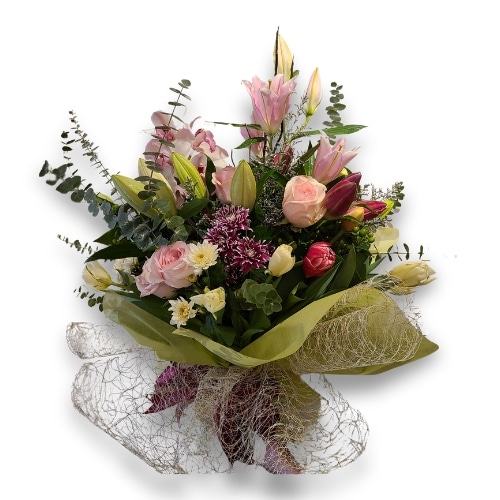
white roses with soft purple filler and aromatic giftset: candle and diffuser, made with essential oils
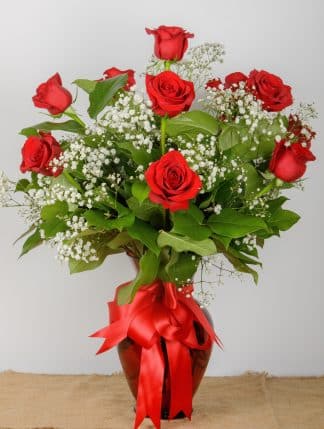
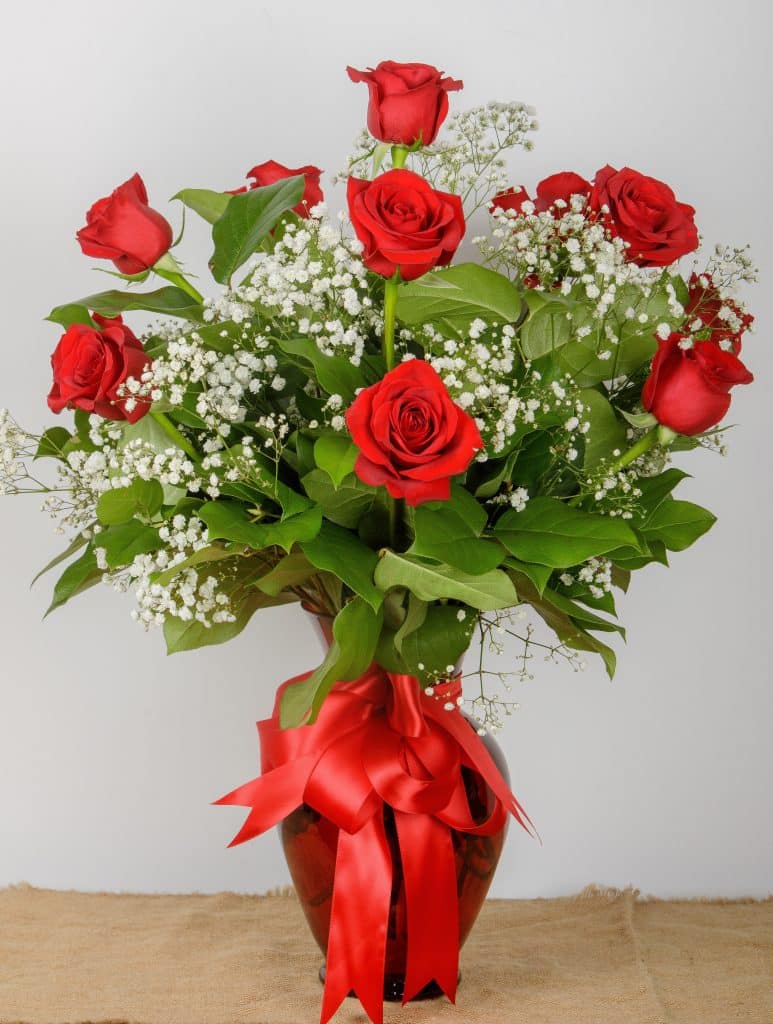
A Dozen Red Roses, arranged in a beautiful vase with babys breath and greens
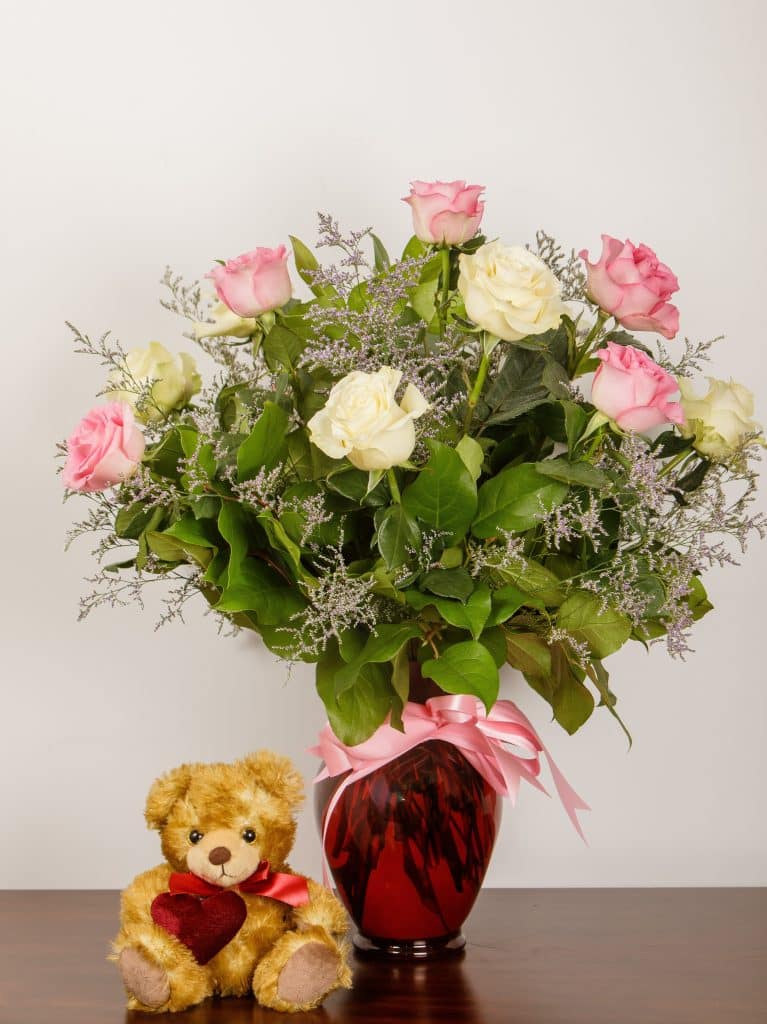
dozen pink and white roses with soft purple feature our signature atropa belladonna colours, in a vase with a plush bear

Table of Contents


How Many Roses Are Grown for Valentine’s Day?

An estimated 250 million roses are produced specifically for Valentine’s Day each year.

To put that into perspective:

  • Farms begin planning production months in advance.
  • Greenhouses increase labor.
  • Crops are timed precisely to peak for mid-February cutting.
  • Florists pre-order from wholesalers 2–3 months ahead.

This is not casual scaling.
It’s orchestration.

I can tell you, after 13 years as a florist, Valentine’s has already been mapped out by December. Roses are reserved long before you’re thinking about them. Not to mention long before we want to be thinking about them.

Demand this large, has other limitations as well. You may have asked yourself why florist’s don’t order more red roses? Wholesalers enforce farm limitations,. You can order as many roses as you can handle, but within predetermined colour parameters.


Why Are Roses More Expensive on Valentine’s Day? It Starts at the Farm

Roses don’t suddenly appear in February.

Growers in Colombia and Ecuador — two of the primary exporters for North America — begin adjusting crop cycles far in advance. Valentine’s Day requires:

  • Increased staffing
  • Overtime harvesting
  • Precision timing
  • Coordinated shipping schedules
  • Higher packaging volumes

When global demand concentrates into one week, wholesale rose pricing rises accordingly.

Florists typically pre-order the majority of their roses months ahead to secure better pricing. But if those sell out?

Reorders can cost 25–50% more at the wholesale level during peak week.

That cost doesn’t disappear. It travels forward.


Transportation: Flying Millions of Roses in February

Many flowers are transported via commercial cargo flights.

In winter, passenger travel patterns shift, reducing available cargo space in some lanes. Meanwhile, floral demand spikes sharply.

During Valentine’s season, planes are frequently dispatched carrying predominantly floral cargo.

High volume + limited timing windows = increased freight costs.

Those logistics fees are built into wholesale pricing before roses even reach Montreal.


Winter in Montreal Means No Backyard Roses

Let’s state the obvious.

There are no roses growing outside here in February.

Montreal winters mean:

  • Frozen ground
  • No local rose production
  • Heavy dependence on imports
  • Cold-chain transport requirements

Every rose must:

  • Be harvested abroad
  • Cooled immediately
  • Flown internationally
  • Cleared customs
  • Shipped under temperature control
  • Conditioned properly by your florist

That cold protection in −10°C weather?
It’s not optional.


Are Roses Cheaper If It’s Not “For” Valentine’s Day?

This is one of the most common questions.

“If it’s for my anniversary on February 14, is it cheaper?”

Spoiler: No.

The price surge isn’t tied to the occasion you personally assign. It’s tied to the date within the global supply chain.

If you purchase roses during peak Valentine’s distribution week, the pricing reflects:

  • Elevated wholesale cost
  • Limited supply
  • Freight premiums
  • Labor intensity

Even if your reason is unrelated, the market conditions remain the same.

Florists don’t wake up on February 14th and decide to raise prices for fun. If anything, we would happily sell roses at the same price year-round and never have to explain wholesale surges, freight premiums, or peak-season supply limits.

After all, what strains your budget also tightens ours.

If consistency were possible, we would gladly avoid ever hearing, “But it’s really for her birthday…” or the slightly stunned, “How much… for one rose?”

But Valentine’s isn’t an ordinary week in the floral world. It’s one of the most concentrated global demand events of the year — and pricing reflects that long before a rose reaches the shop.


Why Roses Take the Biggest Price Hit (Not Other Flowers)

On Mother’s Day, demand spreads across:

  • Roses
  • Lilies
  • Gerberas
  • Tulips
  • Mixed bouquets

But on Valentine’s Day?

The rose carries the emotional spotlight.

Because demand concentrates specifically on red roses, they experience the sharpest price increases.

Other flowers may rise moderately.
Roses rise significantly.


Montreal Price Snapshot: What to Expect

In Montreal, Valentine’s week pricing for long-stem roses typically ranges:

  • $10 –$16+ per stem at retail, depending on quality, stem length, and presentation.
  • Dozens often between $120–$200+, depending on quality and design

Outside of peak season, those numbers are typically lower.

This isn’t arbitrary inflation, it reflects real supply chain shifts.


When Should You Order Valentine’s Day Roses?

Here’s the actionable window:

3 Weeks Before (Late January)
You’re a florist’s dream.
Best selection. Maximum design flexibility.

2 Weeks Before
Still ideal.
Minimum timeline for special requests outside standard stock.

1 Week Before
Recommended minimum for the best experience.
Avoid rush conditions, unavailable varieties, and potential wholesale re-price adjustments.

If pre-ordered roses sell out, restocking can cost 25–50% more at wholesale.

Generally speaking:


Where to Buy Flowers on Valentine’s Day (Especially in February)

In the cold of Montreal February, proper floral handling matters.

A trained florist:

  • Conditions stems correctly
  • Protects against frost damage
  • Ensures hydration
  • Designs for longevity

Wire services often include built-in surcharges and service fees. Combined with holiday pricing and occasional discount layering, this can reduce the actual floral value in the arrangement.

Grocery stores? A hit or miss.

In spring or summer, you might get lucky.

In −15°C February?
Unless frost-bitten petals are your idea of romance, professional floral handling makes a difference.


Final Takeaway

Roses are more expensive on Valentine’s Day because:

  • Global production scales massively.
  • International freight surges.
  • Winter requires imports.
  • Labor intensifies.
  • Demand concentrates almost entirely on roses.

It’s one of the most coordinated agricultural and logistical events of the year.

And it starts long before February 14.


FAQ

Why are roses more expensive on Valentine’s Day?

Because global demand spikes, wholesale pricing increases, freight costs rise, and production intensifies months in advance.

Are roses cheaper after Valentine’s Day?

Wholesale pricing does not change only on February 14.

Florists typically see wholesale rose prices begin rising the week prior to Valentine’s Day, with costs peaking the week of the 14th. Prices usually begin declining in the proceeding week, and a while after that.

If a retailer (sometimes wholesalers), has excess inventory, temporary discounts may appear. However, standard pricing typically stabilizes once wholesale markets return to normal.

Do florists raise prices just for profit?

No; wholesale rose prices increase significantly during Valentine’s season due to global demand, freight costs, and production scaling. Retail pricing reflects those higher wholesale costs.

Florists operate within the same supply chain conditions as everyone else.

Are grocery store roses cheaper?

Yes, because quality is different, and they’re sold as loss leaders.

Handling, conditioning, and winter protection vary, but typically are not provided at all.

Lastly, the grocery store provides no service or designing aspect. Just someone to process your card at the cash.

Why are flowers expensive in winter?

Cold climates rely heavily on imports, temperature-controlled transport, and international freight.

Sometimes a stead cost is maintained through standing orders, but the varieties available vary from florist to florist; all dependant on their selection and offerings.

Posted on Leave a comment

Can You Use Water Picks Instead of a Vase?

If you have ever received flowers wrapped in paper with little water tubes or water filled packs, you might have wondered whether those can replace a vase altogether.

The short answer is yes temporarily. The long answer is that water picks and aqua packs are tools, not long term solutions.

Understanding what they are meant to do will help you avoid some very common mistakes that quietly shorten the life of your flowers.

What Water Picks and Aqua Packs Are Actually For

Water picks and aqua packs exist to solve one main problem. Hydration during transport.

They are designed to keep stems from dehydrating while flowers are being delivered, carried, or held without access to a vase. This is especially important for hand tied bouquets, certain event and wedding instillations, and gifts that may travel for hours before reaching their final destination.

In other words, they are meant to bridge the gap, not replace proper care.

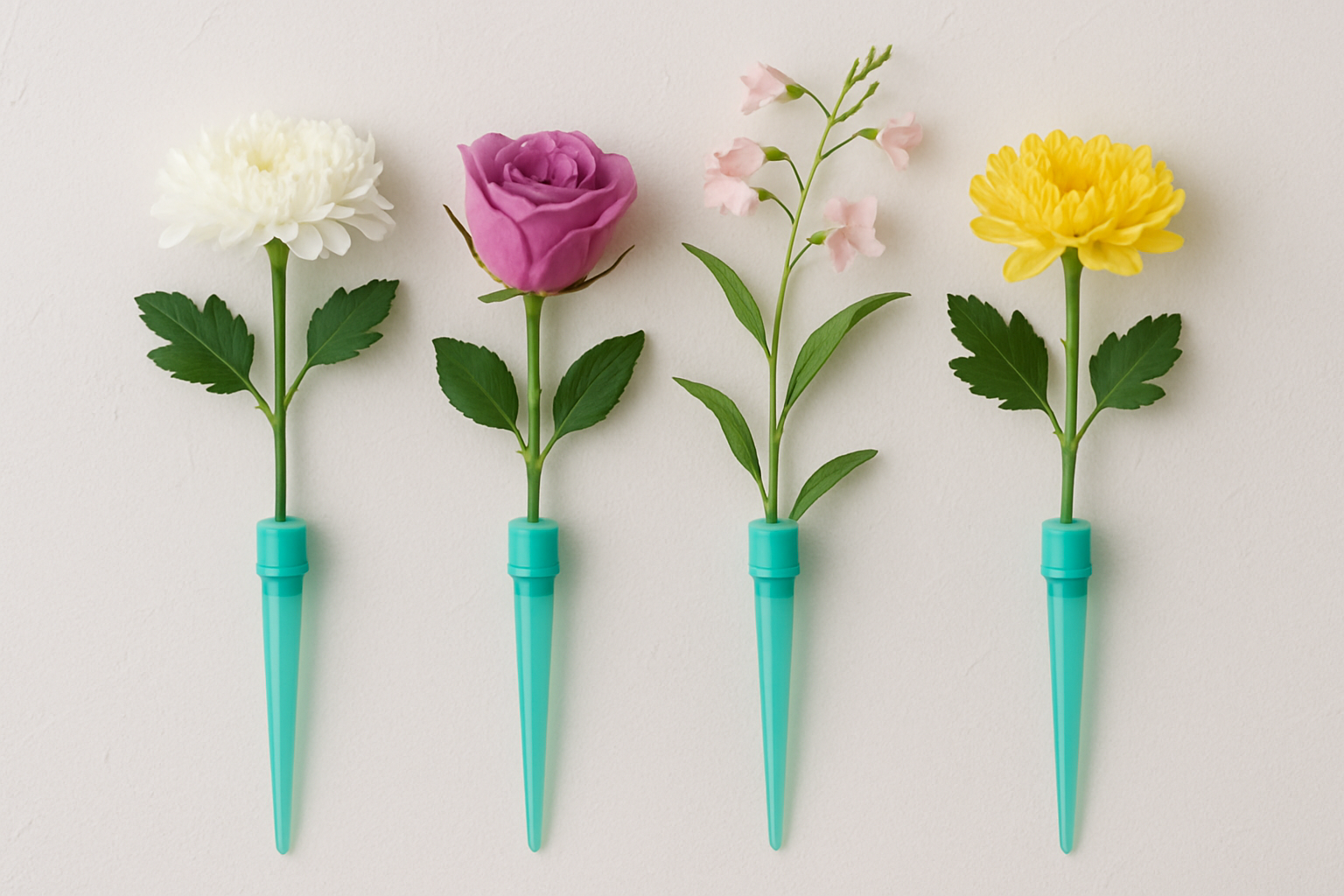
Water picks provide a small, sealed water source at the base of individual stems. Aqua packs imitate a vase, while they come in various forms, our favourite is the structured plastic: featuring a hard base and flexible edges to fasten around the stems.

Both serve the same purpose. Keep flowers stable and hydrated until they can be placed in fresh water. Are great for select sensitive stems and shorter out of water times. While aqua packs encompass the whole bouquet and for longer travels or extended no-vase-situations.

Can They Be Used Instead of a Vase?

In some situations, yes, for a short period of time.

Water picks and aqua packs can help extend the life of flowers in arrangements that are intentionally vase-less. Water picks can come in handy for designs like garland work, incredible ceiling installs, and the like.

Where aqua packs can keep a wrapped bouquet looking good for a day or two (but don’t forget to let it breathe!). Maybe your destination is a long train ride away, or perhaps after a marvelous performance, and an after party, you just don’t have the energy to put them in a vase.

However, they are not designed for indefinite use, and this is where many people unintentionally damage their flowers. Sometimes because they’re just “too pretty to unwrap” or “well doesn’t it already have water”

The Biggest Rookie Mistake People Make

Leaving flowers in water picks or aqua packs for too long.

When flowers sit in a vase, the water easy to change and easy to see when it may need topping up. When flowers sit in sealed hydration tools, the water cannot be refreshed properly. Maybe those demanding rose are just down right thirsty! Well say goodbye to the water in those picks in just a couple of hours.

Over time, bacteria builds up. Stems cannot be re cut easily. Hydration becomes uneven. What started as a helpful solution becomes a quiet stressor for the flowers.

This applies to both water picks and aqua packs.

Even though they contain water, they do not replace the benefits of clean and regular maintenance.

Another Common Mistake to Avoid

Topping up water picks without removing the stem.

It can be tempting to add a little water and assume that solves the problem. In reality, this often pushes bacteria deeper into the stem opening and does not address stem blockage.

If flowers are staying in water picks for more than a few hours, it is far better to move them into a vase than to try to maintain the picks themselves.

What is Meant to Happen Instead

Water picks and aqua packs are meant to get flowers safely from point A to point B.

Once the flowers arrive, the ideal next step is simple.

Remove the hydration tools. Re cut the stems. Place the flowers into a clean vase with fresh water.

When Vaseless Arrangements Can Work

There are situations where water picks and aqua packs make sense beyond delivery.

Short term displays. Event florals that will be used for one day. Bouquets that are meant to be admired briefly and then re arranged later.

In these cases, hydration tools can be a practical solution, as long as expectations are realistic.

They preserve freshness. They do not replace full flower care.

A Florist Perspective on Longevity

Flowers are living things. They respond quickly to cleanliness and hydration. In some cases, controlling the water level is even as important.

Water picks and aqua packs are excellent at preventing immediate dehydration. They are not designed to support long term flower health on their own.

If your goal is longevity, a vase with fresh water will always outperform sealed hydration tools.

If your goal is convenience, transport, or temporary display, water picks and aqua packs do their job beautifully.

The Simple Rule to Remember

If flowers arrive in water picks or aqua packs, think of them as a courtesy, not a finish line.

They bought you time. What you do next determines how long the flowers truly last.

Posted on Leave a comment

Deliver Valentine’s Day Flowers in Montreal

Valentine’s Day flowers, thoughtfully designing for you and delivering across Montreal since 2017.

Order Your Valentine’s Flower Design before 3:30pm today

From our curated collections and select ensembles. Red roses are sold out.

Get Romantic with Roses

Curating Valentine Designs & Orchestrating Orders

Valentine’s Day is one of the few moments each year when design time and delivery capacity are equally important.

Ordering early allows us to honour preferred styles, delivery windows, and floral selections.

Orders placed closer to February 14 are confirmed based on availability. To ensure availability and smooth delivery, we recommend placing your order by February 9. Red roses are sold out. Accepting delivery orders until 3:30pm today.

Elegant, Bright, & Thoughtful

More About Our Valentine’s Day Flowers & Delivery

Valentine’s Day is one of our most carefully planned moments of the year.

To ensure quality, timing, and sourcing, we operate with clear guidelines and limited availability.

Below, you’ll find answers to the most common questions so you can order with confidence.

Love & Flower Symbolism

Valentine’s Day Through the Ages

Valentine’s Day, celebrated on February 14, originated as a Christian feast honoring one or more martyrs named Saint Valentine, most commonly associated with a Roman priest executed around 270 CE. Some historians believe the date was later influenced by Lupercalia, a pre-Christian Roman festival connected to fertility and the coming of spring.

By the Middle Ages, the holiday became linked to romantic love, especially through the writings of poets like Geoffrey Chaucer, who popularized the idea that February was the season of courtship.

Exchanging handwritten love notes became common in Europe from the 15th century onward. The modern traditions of cards, flowers, and gifts expanded rapidly in the 19th century with mass printing and improved postal systems. Today, Valentine’s Day reflects a blend of ancient ritual, religious history, and evolving cultural expressions of love and connection.

Frequently Asked Questions

Do you ensure surprise deliveries?

No, to protect the quality and success of each delivery, someone must be present to receive the flowers. That often means getting in touch. Don’t worry, they still have no idea what they look like, the surprise is often elevated with anticipation.


Can I request a specific delivery time?

To ensure fairness and flow, we do not offer timed deliveries on Valentine’s Day. Orders are delivered based on location groupings with drivers, we do our best to have them out as soon as possible. You can request “deliver anytime after i.e 2pm”.


Is availability limited?

Yes. Valentine’s Day designs are produced in limited quantities based on secured flowers and delivery capacity. Once we reach capacity, ordering closes.


When should I order by?

We strongly recommend ordering before February 9 to ensure the best flower selection and a smooth delivery experience. Your may order after this time, but substitutions may be made, we do not guarantee stock of particular colours or varieties.

There is also a possibility that if our drivers are fully booked, pick up may be your only option.


Are the flowers exactly like the picture?

While most flowers will mirror closely the photos taken, pleasure note: that colour can appear slightly differently, flowers are living things and no two are alike, each arrangement has it’s own life.

Flowers are also subject to availability and quality control, if something is unavailable for one reason or another we reserve the right to make substitutions that will retain the over all look and feel of the arrangement and will retail the overall order value.

If a substitution would completely change the look, i.e you ordered red roses but only pink remain, we will contact you.

What if I’m unhappy with my flowers?

Your satisfaction matters. If there’s an issue, please contact us within 48 hours of delivery with photo documentation, and we’ll arrange an exchange, no questions asked.


Do you deliver everywhere in Montreal?

We deliver across most Montreal neighborhoods. Delivery fees are calculated at checkout based on distance and timing.


Some Additional Guidance

If your flowers are not in a glass vase…

The are likely being preserved with aqua picks or an aqua pack when necessary. Please do not leave them in these indefinitely, they are meant for preserving freshness during flower delivery, get them into a vase as soon as possible.

Care expectations :

Flowers are meant to last to mark the moment and ground you in the present. However, a little care can extend their life, and make your moment last longer.


Gifting guidance:

Unsure which design to choose? Let intention guide you. simple and sweet, classic colours, or romantic show stopper. Every piece is designed with care.

Posted on Leave a comment

How to Make Cut Flowers Last Longer

Need to know care, with heart.

Fresh flowers have a way of stopping time. Whether they were given to you by someone special, or chosen by your fabulous self, this guide will help you make those flowers last longer, with simple, thoughtful care that truly works.

But before we dive in, pause for a moment.

Flowers aren’t meant to last forever. They’re meant to bud, bloom, and fade, capturing the cycle of life right before your eyes. Their quiet power is in presence. They ground us in the now. So yes, we’ll show you how to help your flowers last longer. Just don’t worry so much about tomorrow that you forget to stop and smell the roses… or the freesias… or maybe they’re lilies.

Think of flower care not as a chore, but as a small ritual of connection, presence, and peace.

The Essentials: How to Help Flowers Last Longer

Clean Vase & Clean Water

1. Start with a truly clean vase

This is the single most important step.

Bacteria is what shortens the life of cut flowers, and dirty vases, even ones that look clean, are usually the culprit.

What to do

  • Wash your vase with warm water and soap before arranging.
  • Change the water regularly, daily if possible.
  • Rinse the vase each time before refilling.

Water levels matter

  • Hydrangeas like high water levels.
  • Gerberas prefer shallow water.
  • Mixed bouquets are happiest with water covering about ½ to ⅔ of the stems.

If you’re ever unsure, ask your florist. We genuinely want your flowers to thrive.

Condition the water (keep it simple)

There are countless hacks online, sugar, pennies, vodka, but we’re firm believers in doing less, better.

Use the flower food provided with your bouquet. It’s balanced, tested, and effective.

How to use it

  • Add about ¼ of the packet to fresh, clean water.
  • Refresh every 2–3 days.
  • Always change the water completely. Don’t just top it up.

A little goes a long way.

All out of flower food? The only other substance I would recommend is, Alum powder, just a little sprinkle; no sugars, no pennies, and only if you need to.

Trim stems after the water is ready

Order matters here.

Never cut stems and leave them sitting dry while you prepare the vase. Air enters the stem and blocks hydration.

The right way

  • Prepare your clean vase with fresh water first.
  • Then trim stems at a slight angle.
  • A small trim is enough. Just refresh the cut.
  • Place flowers directly into water immediately.

This angled cut increases surface area and helps flowers drink more efficiently.

Remove submerged foliage

Any leaves sitting below the waterline will decay quickly, and that decay feeds bacteria.

Do a quick check

  • Strip leaves that would sit in water.
  • Keep foliage above the waterline only.

Your flowers will thank you quietly… by lasting longer.

Choose the right spot in your home

Flowers prefer calm, stable environments.

Keep them away from

  • Direct sunlight.
  • Heat sources or radiators.
  • Cold drafts or freezing outdoor air, hello, Montreal winters.
  • Ripening fruit. It releases ethylene gas, which speeds aging.

A cool, softly lit space is ideal.

A few gentle truths (that matter)

We take care to bring in quality flowers, so your moment does last longer. Typically flowers can last at least 6-8 days, sometimes 2 weeks, and if your really good with them some people manage 3 weeks. However, even with perfect care, flowers are living things. Some varieties naturally last longer than others. Mixing varieties effects longevity. Some days are warmer. Some stems had longer journeys before reaching you . Some have a harder time drinking than others. Longevity isn’t a failure— or a reflection of how well you cared.

If your flowers last a little longer, wonderful. If they fade sooner than expected, that’s part of the beauty too.

They were never meant to be permanent. They were meant to be present. If you’re curious, read more about the journey your flowers take before arriving from us to you.

You may also like…

  • Our Montreal flower delivery guide
  • Montreal flower delivery
  • Our confident water plant guide.